Cotton as a textile fiber offers natural comfort and breathability, making it a common choice for bedding and pillows. This category explores the properties of cotton, including softness, moisture management, and durability, as well as its role in supporting healthy sleep environments. Understanding fiber quality, weave, and finishing helps clarify how cotton impacts comfort over time.
Cotton pillows typically emphasize natural fluff and support, with variations in fill weight, fill power, and loft to suit different sleeping positions. In educational contexts, consider how cotton pillow covers influence temperature regulation and tactile feel, and how thread count and fabric weave contribute to durability and washability for long-term use.
Key features to evaluate include fiber length (long-staple cotton often yields smoother surfaces), pore structure for ventilation, and chemical-free processing that preserves softness. Functional benefits of cotton pillows include hypoallergenic potential, reduced skin irritation, and compatibility with various hygiene practices, making them suitable for sensitive sleepers and daily laundering.
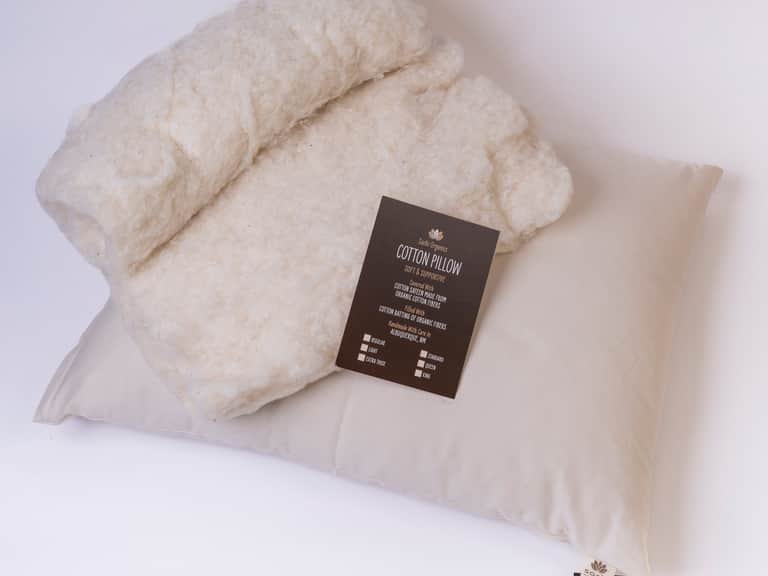
Within the cotton category, specific pillow designs—such as those with cotton shell covers and responsibly sourced fills—illustrate how material choices affect comfort, alignment, and resilience. When selecting a pillow, consider sleeping posture, climate, and care requirements, alongside information about weight, firmness, and maintainability to support informed decisions.
Overall, cotton bedding and pillows intersect with topics like bedding, memory foam pillows, sheets, and organic mattresses, highlighting the broader ecosystem of sleep textiles. By examining cotton’s properties and practical usage, readers gain insight into how fabric selection influences temperature neutrality, durability, and everyday usability in healthy sleep environments.
 Bedding