Certified Organic Wool Bed Pillows
Soft, natural support you’ll feel all night—hand-built with organic wool and a silky GOTS-certified cotton case, spa-like comfort, easy spot-clean care, and sustainable from farm to pillow.
Understand the key organic certification standards that matter when selecting bedding. This guide explains GOTS and OEKO-TEX, their scope, how they differ, and how to use labels to compare pillows, fabrics, and mattresses for safer sleep.
In a world flooded with labels, the right certifications act like a compass for the consumer navigating the labyrinth of organic bedding. The terms GOTS, GOLS, OEKO-TEX, and related marks promise more than a badge—they vow a chain of custody from field to shelf, a stewardship of materials, and a check against the quiet, persistent temptations of greenwashing. This piece, steeped in the cadence and precision of a New Yorker feature, aims to illuminate what those seals mean when you’re selecting an organic pillow, a set of sheets, or even a mattress. We’ll walk you through the core standards, reveal how they differ, and offer practical ways to read labels—the way a careful reader deciphers a restaurant menu or a medical instruction sheet.
Alongside the technical terrain, we introduce three voices from different epochs—figures who helped shape our understanding of materials, testing, and trust. Their perspectives, though separated by time, converge on a single truth: when you choose sleep products built on verified standards, you invest in a safer, more transparent sleeping environment for yourself and your loved ones.
GOTS is the most widely recognized organic standard for textiles. It covers the entire supply chain—from the harvesting of raw materials through environmentally sound processing, manufacturing, packaging, labeling, and distribution. A GOTS certificate implies organic raw materials (often organic cotton or wool), prohibition of most toxic chemicals, and social criteria in the processing facilities. The standard emphasizes environmental and social responsibility, and its labeling signals a high level of integrity in organic textiles.
Key takeaway: if a pillow cover, sheet, or fabric bears GOTS, you can trust a holistic approach to organic materials and responsible manufacturing. Look for the GOTS logo and, when applicable, the GOTS version in the certificate (e.g., “GOTS 5.0” updates mark ongoing evolution in the standard).
OEKO-TEX focuses on textile safety—testing for harmful substances and ensuring products meet health and environmental safety thresholds. The standard complements GOTS by offering an independent safety net that checks residual chemicals that might be present in fabrics. It includes labels such as Standard 100 and STeP for production facilities, which can help consumers gauge safety and sustainability across different product lines.
Takeaway: OEKO-TEX is particularly useful for evaluating the chemical safety of textiles in bedding—pillow covers, blankets, and fabrics where skin contact is constant. A label with OEKO-TEX signals a lower risk of harmful substances, even when other certifications are not present.
GOLS traces the life of natural latex—from the rubber tree to the finished latex product. It is specific to latex and ensures organic raw materials are used in Dunlop or Talalay processing, with attention to environmental responsibility and fair labor practices. GOLS certification signals that the latex content comes from organic sources and that manufacturing processes align with rigorous ecological and ethical standards.
For pillow lovers, a GOLS-marked latex pillow embodies a distinct promise: resilient, breathable material that supports sleep without synthetic foams. It sits alongside GOTS in the ecosystem of credible organic bedding, providing a material-specific lens for readers who want to explore alternatives to synthetic cores.
The label on a pillow or bedding product is a map, not a weather report. Here are practical guidelines to interpret common marks:
Though not a bedding specialist, Mersenne’s curiosity about natural materials and acoustics foreshadowed a modern respect for how the material world shapes human well-being. The lesson: subtlety matters. In textiles, the quiet refrain of a well-chosen wool fill, the absence of harsh chemicals, and the tactile calm of organic cotton are not mere luxuries—they are the kind of steady, almost meditative details Mersenne would have appreciated in any inquiry about human comfort.
Nightingale’s reformist spirit—hygiene, data, and humane conditions—maps neatly onto today’s certification movement. Her legacy helps us understand why textiles standards matter: the insistence that the materials we sleep on are produced with cleanliness, traceability, and ethical labor as non-negotiables. In the context of organic bedding, this translates into transparent supply chains, verified organic content, and an honest accounting of where a pillow’s wool or latex originates.
Malik’s examinations of consumer trust and sustainable textiles resonate with today’s readers who demand clarity from labels. Her work underscores a practical approach: compare labels, trace fibers, and favor products that provide a coherent story of origin, processing, and ethics. The modern consumer learns to read a certification not as a ritual, but as a conversation with the maker about health, safety, and the planet.
So, how should a thoughtful shopper proceed when faced with a shelf-full of pillows, sheets, and mattresses? The answer rests on a three-part approach: identify the core material you prefer, verify the relevant certifications, and assess the supply chain transparency behind the product. For a practical starting point, here is a compact framework:
These steps work in concert with a broader educational ethos: the goal is not only a certification but a holistic, informed posture toward sleep health. The story of a product—its materials, its makers, its journey from farm to pillowcase—becomes as important as the night’s rest that product promises.
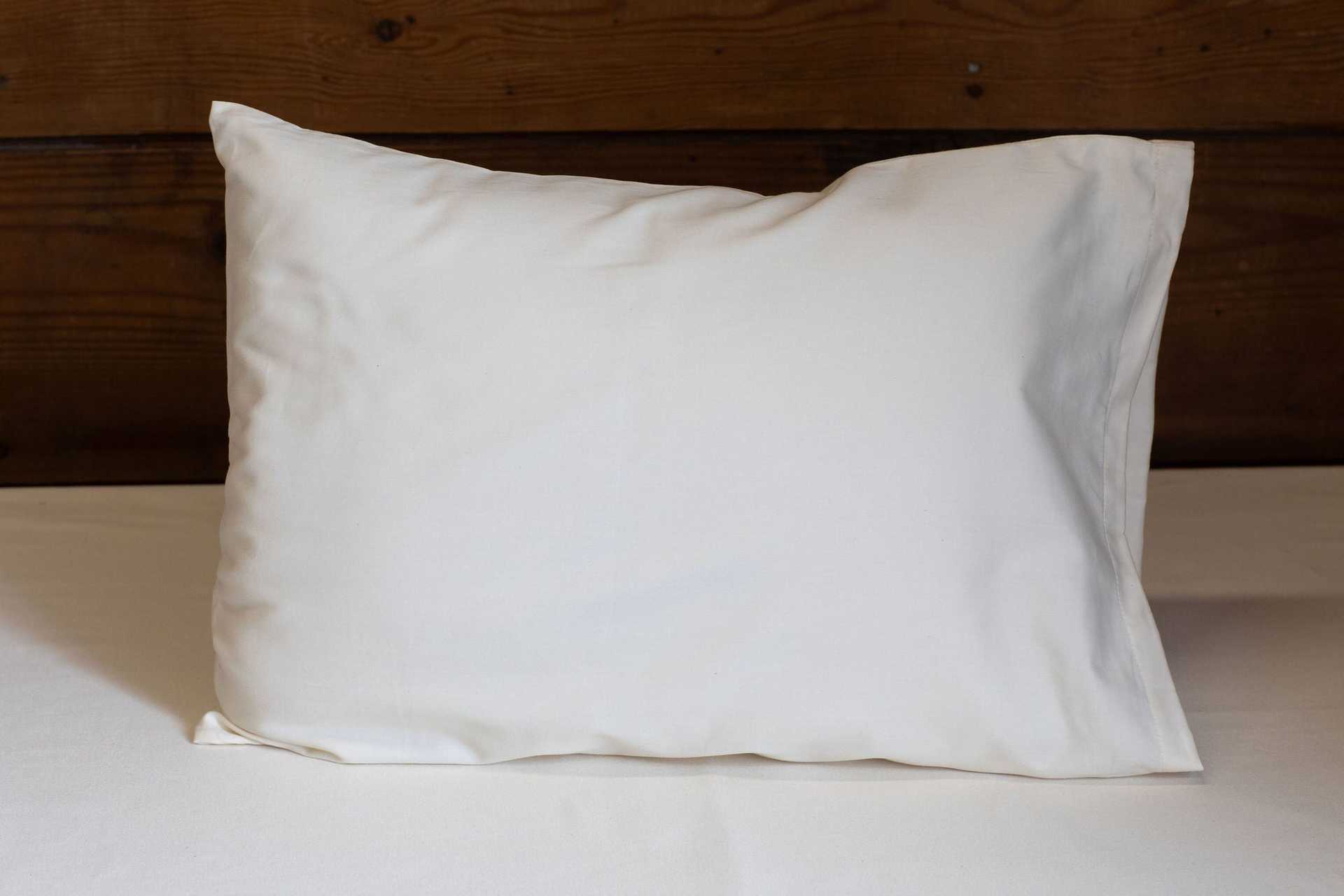
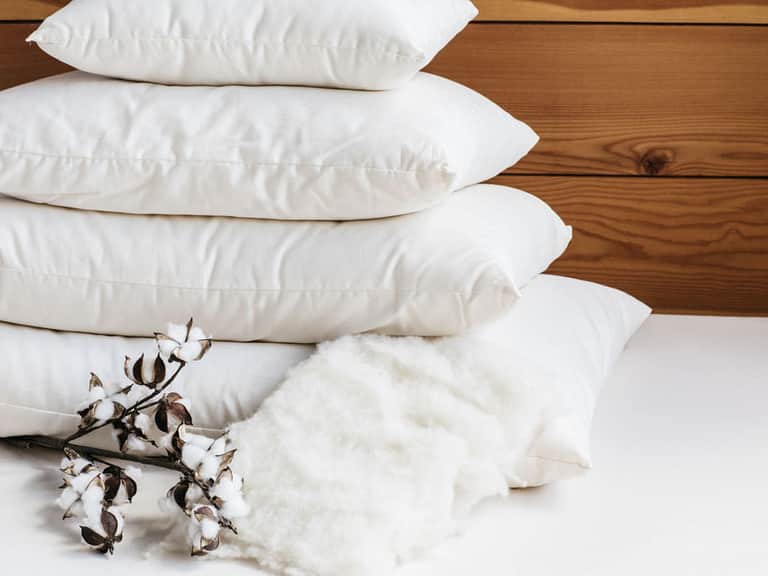
The Certified Organic Wool Bed Pillows offered by Holy Lamb Organics serve as a vivid example of how a legitimately built product embodies the certification narrative. These hand-built pillows use 100% organic wool filling inside a 100% organic cotton sateen cover and adhere to GOTS guidelines throughout the supply chain. Their story—wool sourced from Western United States or New Zealand, cotton grown in India and milled in Pakistan, and a care protocol that emphasizes spot cleaning rather than aggressive chemical exposure—reads like a short documentary about conscientious manufacturing. The result is a pillow with a soft, supportive resilience that aligns with the ideals discussed in this guide. For readers, such a product is not merely an item but a case study in how certification translates into tangible experience.
Product snapshot: Certified Organic Wool Bed Pillows — 100% organic cotton fabric; 100% organic wool filling; hand-built with wool batting inside a GOTS-certified organic sateen case; care: spot clean only; origin: cotton grown in India; wool sourced in the United States or New Zealand; price: 119.00. This example foregrounds the way a product integrates organic content with transparent sourcing and practical care guidance.

A tactile reminder that certification is not a static seal but a living practice. The wool filling provides natural temperature regulation, dust-mite resistance, and a comforting loft that remains consistent with careful care. The organic cotton sateen cover offers a soft, breathable surface that ages with grace.
Source: The certificate trail follows GOTS, with wool sourced from verified farms and sustainable cotton. This is the kind of product that makes the certification conversation feel concrete, not abstract.
Certification schemes are not merely stamps on a label; they are a language of accountability. In the quiet hours of the night, the right certifications can translate to cleaner air, fewer chemical exposures, and the confidence that the materials touching our bodies have been treated with care—from fields to fibers to the final fold of a pillowcase. For readers of organicpillows.com, the aim is to empower a discerning, evidence-based approach to shopping—an approach that respects both the science of materials and the poetry of good sleep.
As the market evolves, the consumer’s most powerful tool remains curiosity: a willingness to ask, to verify, and to understand the path of a product from its origin to your nightstand. The journey toward safer, more transparent bedding is not a single mile but a regimen—one label at a time, one pillow at a time, until the sum of these small, conscientious choices becomes a quiet revolution in how we rest.